Courtesy Brad Foley (NFTC) – At the end of Jeanie Aird’s debut album, a piano melody returns. It first appears on “Emma Joan,” the song that opens the record with a fear that the things we see happening to someone we love might one day happen to us. When the melody comes back on “Capture the Sun,” it’s changed. Aird and her co-producer, Josiah Leeper, wanted the listener to hear both where the story began and how far it had come.
Aird, a former mechanical engineer, took the title 3rd Law from Newton’s third law of motion. She built the album around action and reaction, using that structure to tell a story about living with the effects of a loved one’s addiction and finding a way forward. The question she poses in the opener is one the rest of the record has to answer.
“Could we rewrite legacy?”
The record she was waiting to make
Before she had an album in mind, Aird had years of listening behind her. Her dad took her to shows around Central Texas, from bigger acts like The Script to artists on the Texas circuit like Jimmy LaFave, James McMurtry and Marcia Ball. Her mom was a singer and musician. Both parents encouraged her love of choir, and at 12 she got her first guitar, a Baby Taylor her dad bought her.
She was writing plenty of songs and had ideas for singles and EPs. She kept coming back to what she could do with a full album. Aird points to records like Beyoncé’s Lemonade, Julien Baker’s Sprained Ankle and Counting Crows’August and Everything After when she talks about those possibilities. Once she found the story for 3rd Law, she had a reason to work at that scale. An image or a melody introduced in one song could take on a different meaning several songs later.
Going back to Corpus Christi
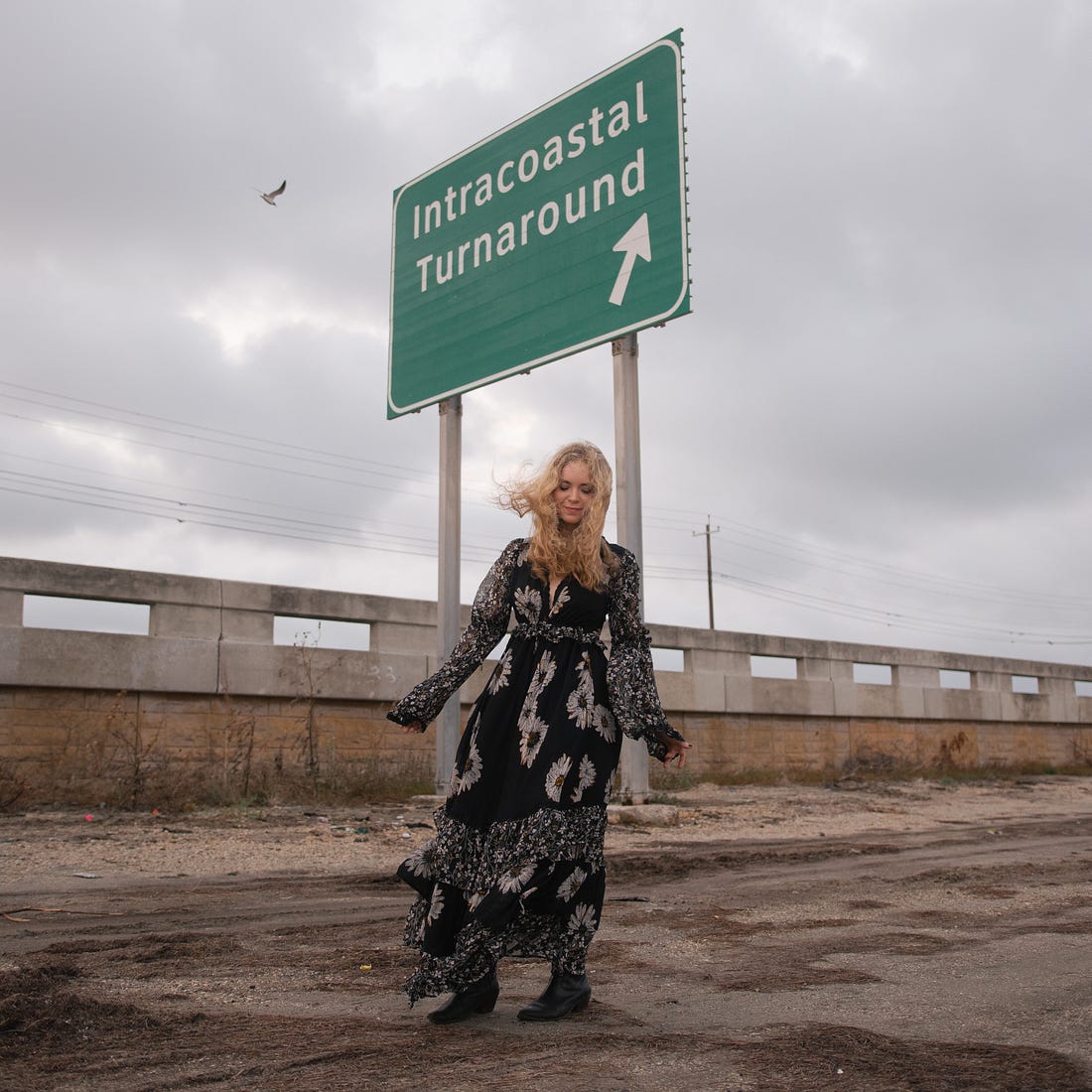
Aird left Corpus Christi at 18 and hasn’t lived there since. She went back because it was where the events behind the album had taken place. With some distance from those years, she noticed how much work people put into building a sense of community.
“To this day, I still don’t think I have lived in a place that had the sense of community that Corpus had,” she told me.
That affection runs alongside the harder memories on the record. Corpus Christi gives the songs their landscape, from the bay to the South Texas folklore that finds its way into “Chupacabra.” The city also shapes what Aird wants the album to do out in the world. She says she’s donating 20 percent of the album’s proceeds to two nonprofits, Faces & Voices of Recovery andUnited Way of the Coastal Bend.
The action and the reaction
Aird describes “Emma Joan” as the album’s foreword. “Teenage Dreams” then brings her own story closer to Emma Joan’s. Emma Joan dreamed of going to Juilliard. Aird imagined a life in music. By the time we meet them in the songs, both are living at a distance from the futures they once pictured.
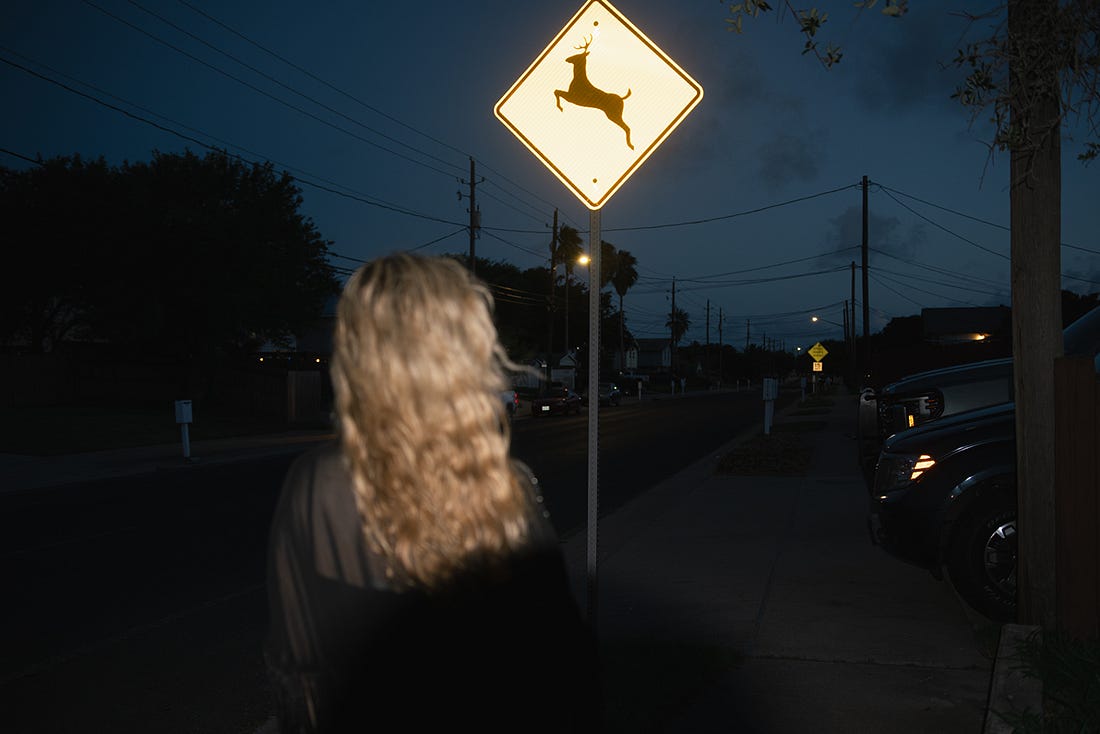
“Tar & Dust” stays with the feeling of looking at yourself after something painful and struggling to recognize who you’ve become. In “Chupacabra,” Aird gives that feeling a physical image. She uses the creature’s attack on a deer as a metaphor for the loss of self she’s been describing across the first half of the record.
If you have time for one song, Aird would start you with the title track. It’s where the album begins to reckon with what happened and consider what might still be possible. It’s also where she makes room for a side of Emma Joan she felt people often overlooked.
“I knew Emma Joan as a full, multifaceted human, with many beautiful qualities, like her singing voice, that deserved to be celebrated and loved, despite her struggle,” Aird said.
That memory helps explain why compassion matters so much to the album’s second half. On “Brand New,” the narrator starts to recognize herself again. By “Crape Myrtle Tree,” she gets to spend a little time in a scene where things finally feel easy.
What the piano remembers
Aird and Leeper carried the storytelling into the arrangements. The piano from “Emma Joan” returns at moments that call her to mind. They thought just as carefully about when to bring in the E-Bow, organ and vibraphone. Those choices give you a second way to follow the story. Sometimes the arrangement brings a memory back before the words tell you why.
Listen to the closing piano figure on “Capture the Sun,” then go back to “Emma Joan.” The family history is still audible in the music, even as the ending opens up a different future. That small change in the melody does a lot of the work Aird set out to do across the whole album.
After the debut
Since releasing 3rd Law, Aird has heard from listeners who found their own stories in the record, often for reasons different from the ones that led her to write it. She’s also connected with people in Corpus Christi through the album, a different kind of return to the place where it began.
She told me she’s nearly finished writing the songs for a second concept album and is working on a video for “Chupacabra” with a close friend who directs. She’s also figuring out how to take the songs on the road. After years of writing and waiting for the right first record, she’s looking forward to playing these songs for the people who have made them their own.


