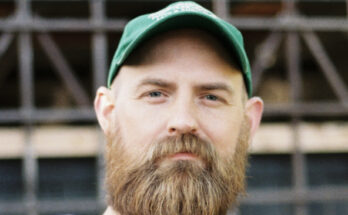
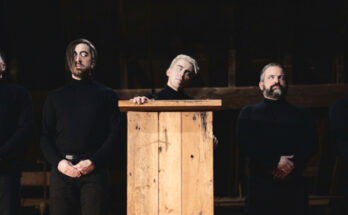
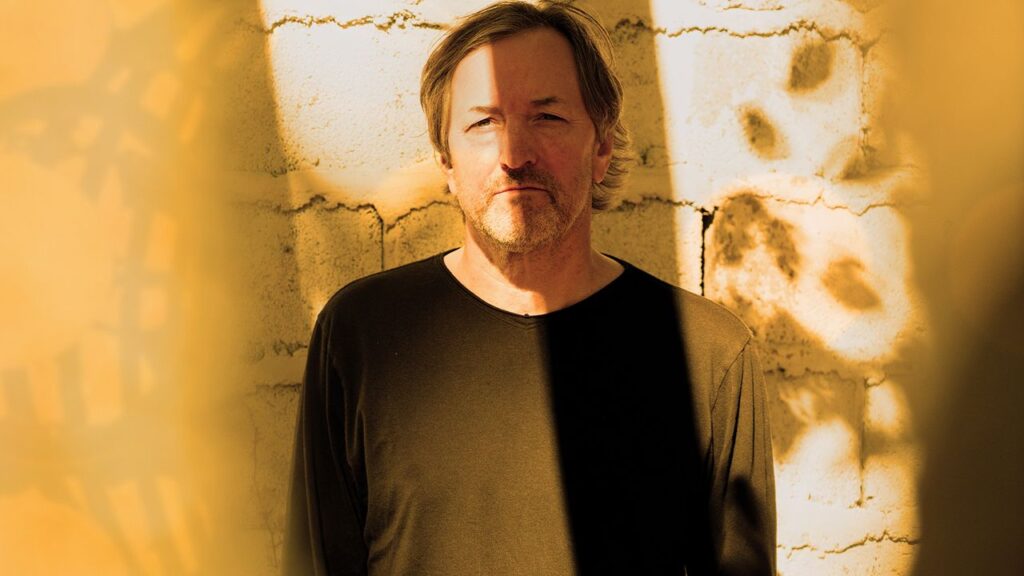
Sometimes a piece of music just begs for a new take. A new musical treatment. A new vibe. The man behind New Jersey-based Little Falls Trophy, Doug Albregts, had the urge to do just that with a number of his past songs. Tinkering and fiddling in the studio led to his brand new album, “Rehashed,” which gives a different spin on some of his past works. Some covers also entered into the mix, and Albregts even added a never-before-released song to the collection. The result is a reimagining of sorts, of his own art as well as that of others, and it’s energizing. Sometimes a song is perfect just as it is, but Albregts demonstrates, again and again on “Rehashed,” that just because a song is out in the world doesn’t mean that it can’t become even better a second time around. “Rehashed” takes that concept and explores the ways that songs can morph and change in the best possible ways. It’s a pretty perfect album.
We sat down with Albregts recently to get the scoop on this impressive collection of songs.
Hi, Doug! You have a terrific new album out in June called “Rehashed.” How did these songs come together and what broad strokes can you tell us about the collection?
It’s a collection of songs I really liked from previous recordings, and I wanted to revisit them—tweak them a bit, add more depth, and give them new context. I also flirted with the idea of doing some covers and ended up including a few that just felt right. There’s one new song on the album called “Vintage,” which is actually an older song that never made it onto a past release. I also did a stripped-down version of “Project 6636,” which I think really complements the original. In a way, I had some unfinished business—things I wanted to revisit or say differently this time around. Honestly, I didn’t set out to make something this full, but once I got going, I couldn’t help myself. I really like where it landed. Recording this album helped me connect a lot of personal dots.
One of the songs on your new album, “Addiction,” is really great and stood out to me. What can you tell us about that song? What inspired you to record this song?
That one’s actually one of the first songs I ever wrote. I realized early on that I was kind of addicted to music—in all its forms. Writing it, listening to it, how it affects my mood and outlook. Then I started thinking more broadly about addiction—why people get attached to certain things, places, or people—and how they deal with it. The song might sound like it’s about one particular person or event, but I’ll leave that up to the listener. I really wanted it to feel uplifting, maybe even inspirational—and I think it hits those notes. It’s got a big sound, which is what I was going for.
What was it like recording this album? What was the vibe in the studio overall, and how did this song, in particular, come together?
Like a lot of artists these days, I’ve got a home studio setup, so most of the recording happened there. But I still send things out for mixing and mastering—those final steps are important, and I like having professionals take it across the finish line. The vibe overall was one of curiosity. I spent a lot of time experimenting with different sounds and arrangements, and had some great collaborators involved. On “Addiction,” Julie Neff added backing vocals, which brought in a lot of texture and warmth. I leaned more into the guitars and let the song build in a way that feels almost like an anthem. It ended up being a big track, and I’m happy with how it came together.
What do you hope this album conveys to those who listen to it?
That’s always a good question, but I think you only figure that out after the album’s done. For me, I didn’t go in with a specific message in mind—I just wanted to be honest with where I was creatively. If anything, I hope people who think like I do—folks who overanalyze, deal with anxiety, try to be present and appreciate life—find something in there that resonates. There’s humor in the album too. “Armstrong Park,” for example, is kind of a family inside joke involving my parents and a dead cat. My oldest brother plays this haunting harmonica part on it, which really brings the dark side of the song to life. So it’s a mix of emotion, reflection, and humor.
The album title is interesting. How did you choose it?
Once I looked at what I was doing—revisiting older songs and reinterpreting them, along with a few covers—the word “Rehashed” just came to me. I was literally driving to the airport when it popped into my head, and it stuck. Like any title, you sit with it for a bit to see if it still fits. This one did. It sums up the process pretty well—taking something familiar and giving it new life.
If you look back over your career, you probably feel like quite a different performer now than when you began for a number of reasons—life experience, industry experience, studio and performing experience all factoring into that. Where do you tend to get your biggest inspiration from these days?
Yeah, over time, you learn a lot—how to record better, how to sing better, how to structure songs more effectively. And the tools we have now make it easier to explore and try new things. I think the biggest change for me is how I’ve learned to translate life events—relationships, work, family, all of it—into music that feels authentic but not heavy-handed. I try to avoid being too obvious or overly dramatic. For me, inspiration still comes from real life, and I’m grateful for the ups and downs—they fuel the writing.
Songwriting and recording music can be a really personal endeavor, yet when you release a song or an album or an EP, you share the music with so many people. How does this make you feel, and is it difficult to share songs widely like that? Have you gotten feedback from anyone who has connected with your music or had a song impact them in a deep and meaningful way?
That’s one of the hardest parts of putting music out there—it’s personal, and now everyone can hear it, judge it, or ignore it. It’s tough listening to yourself sometimes, and I know a lot of artists feel the same way. It’s strange, but it can also be cathartic. I think a lot of musicians are naturally introverted and prefer to express themselves through their work instead of other ways that might feel more vulnerable. I’ve had a few people tell me that my music takes them back in time—college years, earlier parts of life—and that means a lot. Of course, close friends will always say it’s great, but I try to take that with a grain of salt.
What has been the most exciting thing to happen for you in the past year? What are you most looking forward to for the rest of 2025?
Some cool opportunities have come up around publishing, which has been exciting. There’s been interest from some industry folks that’s really encouraging. I’m also really looking forward to the release of “Rehashed” and getting it out into the world. On top of that, I’m already deep into another album, which I’m aiming to release in 2026. It feels like the next step forward in my songwriting, and I’m excited to keep working on it.
Got any tour plans? Where can fans see you on the road?
Right now I’m on a bit of a hiatus. I’ve been doing some one-off shows and sitting in with other bands, but haven’t had the bandwidth to plan anything bigger. That said, I’m hoping to ramp things up at some point. Fans of LFT can stay connected through www.lftmusic.com or Instagram—any new plans will be posted there.