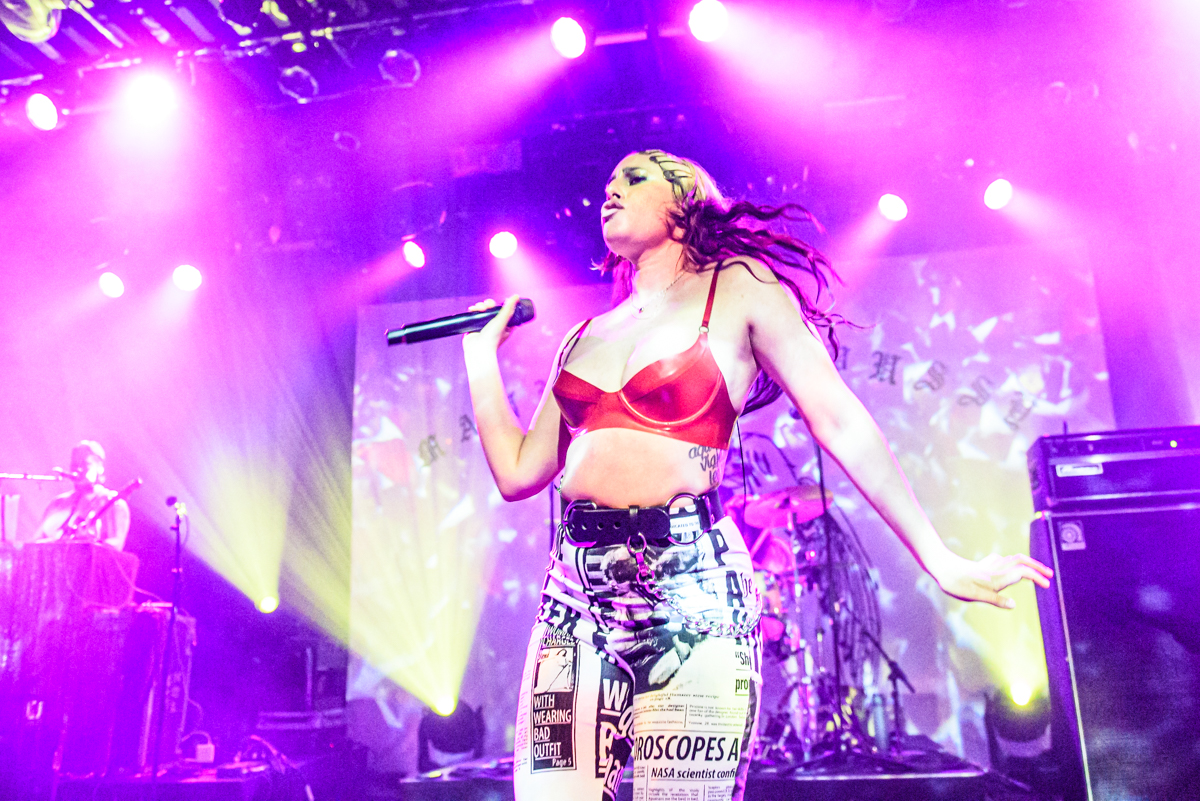
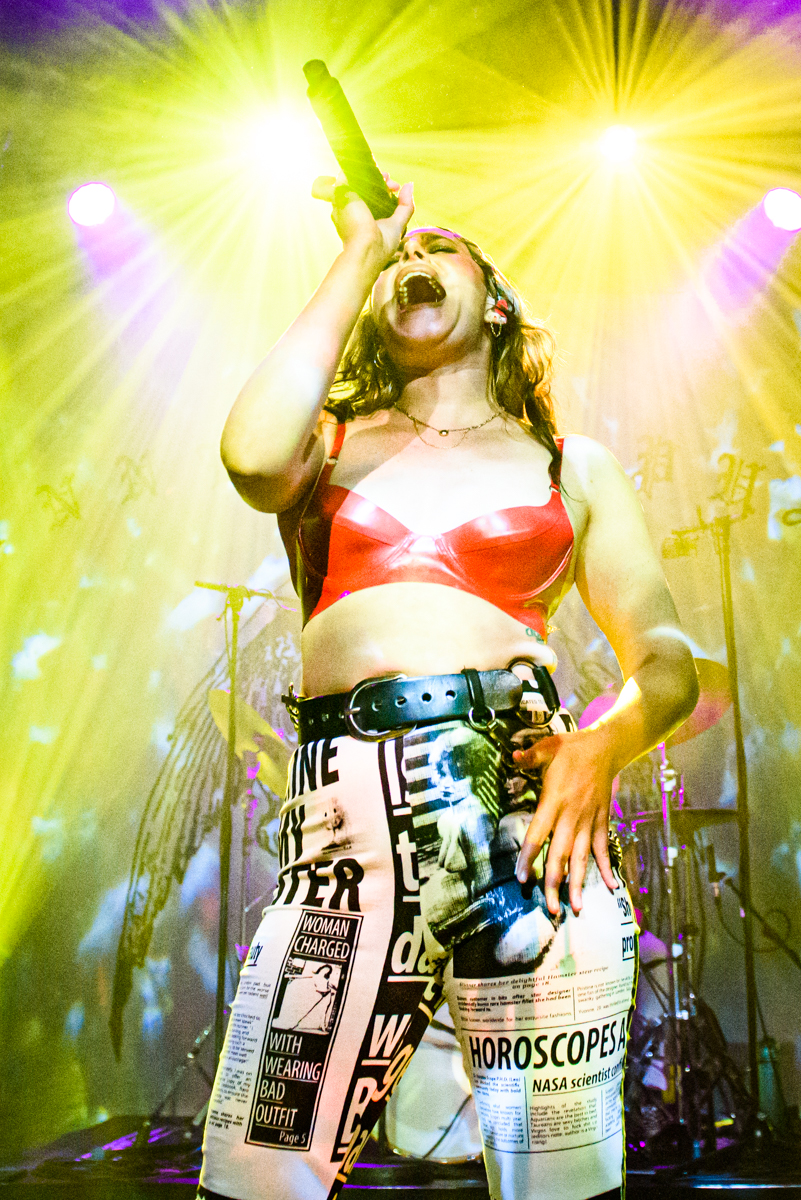
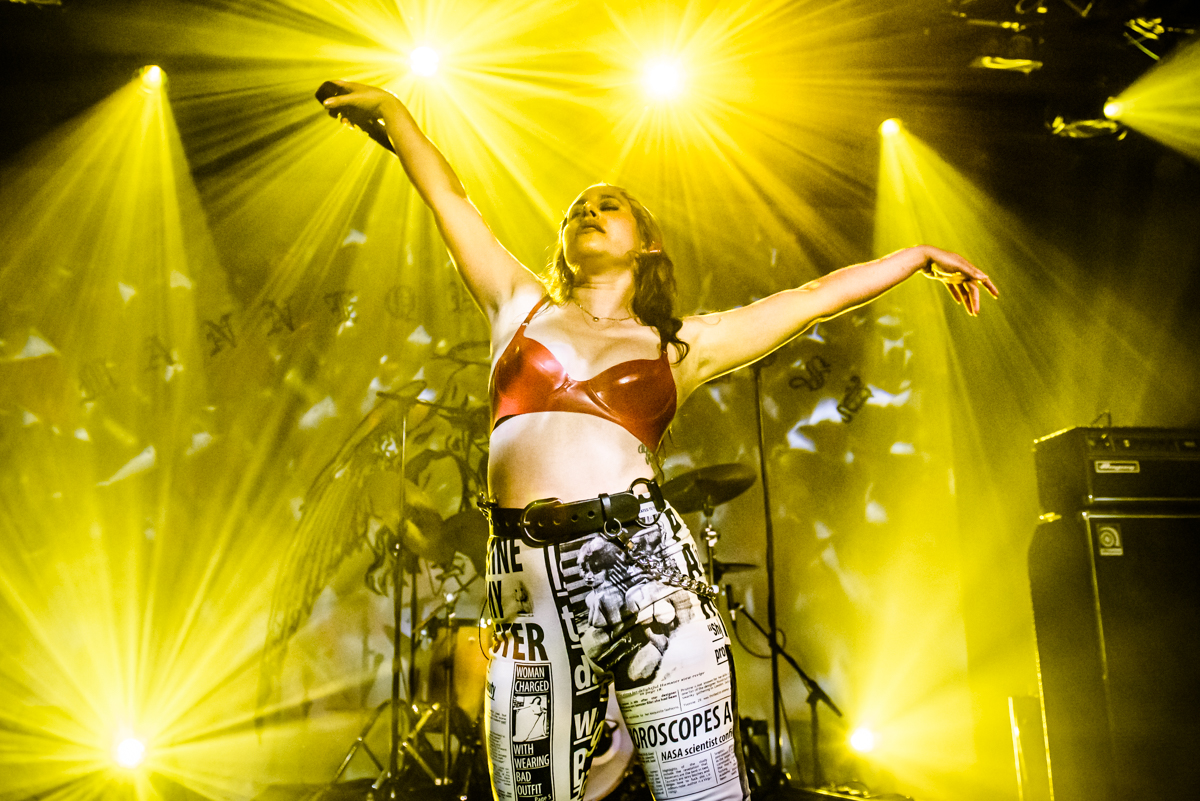
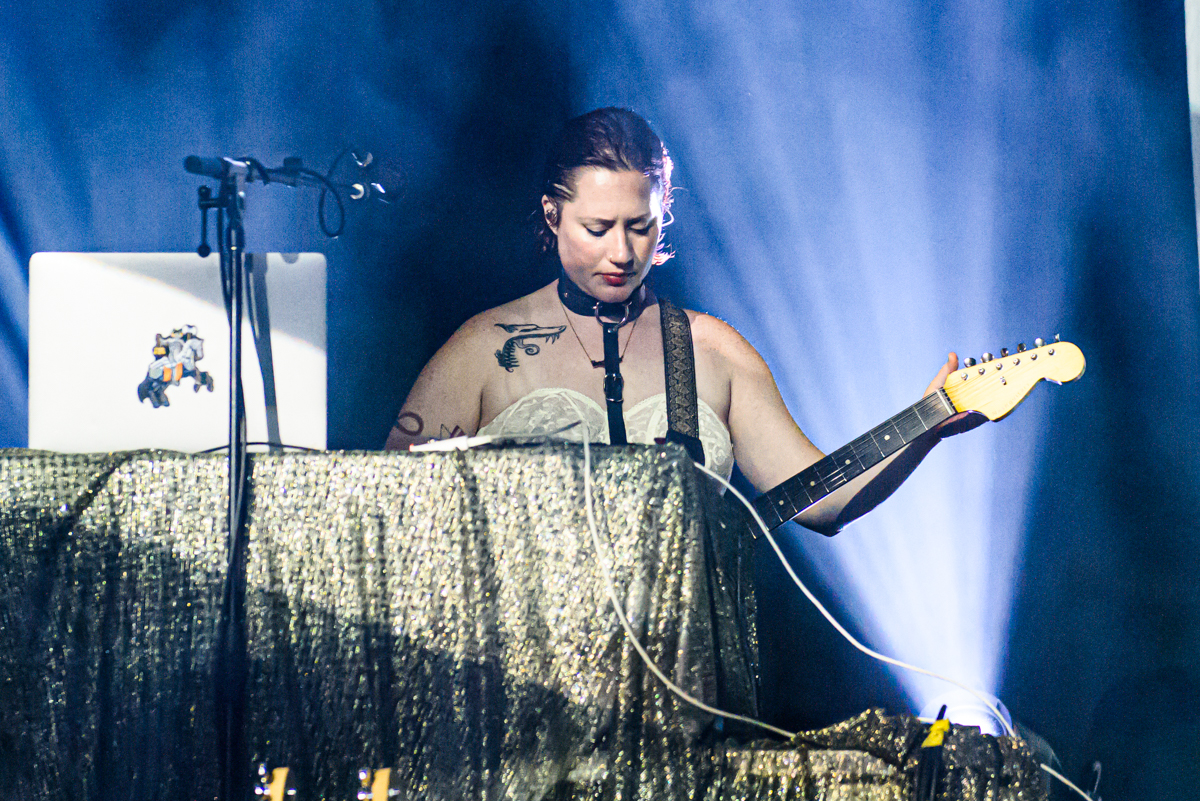
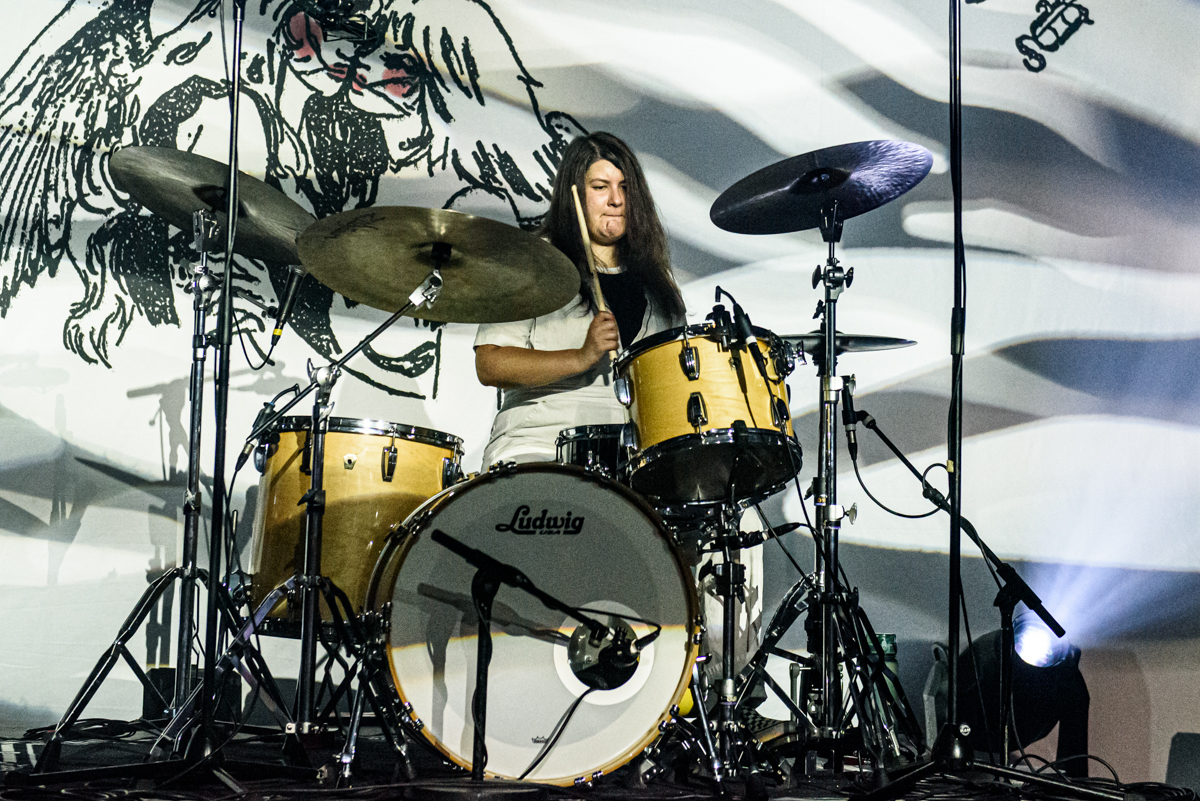
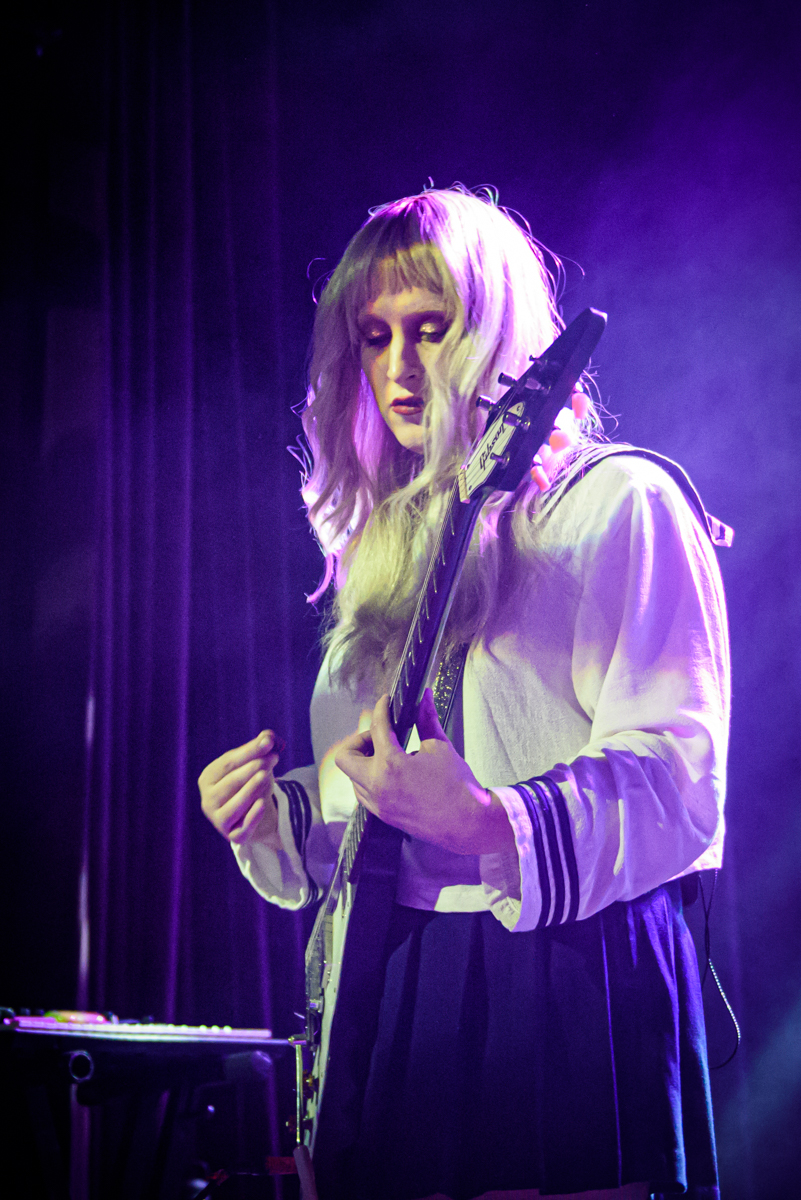
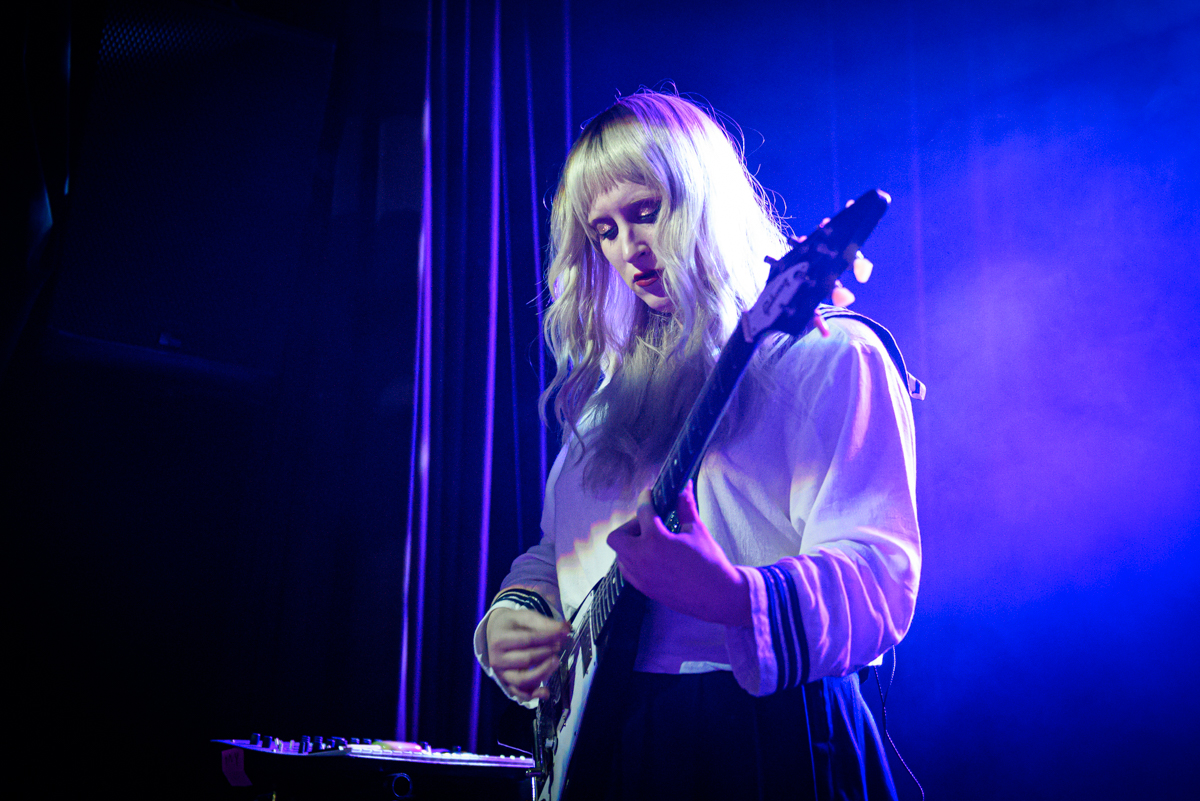
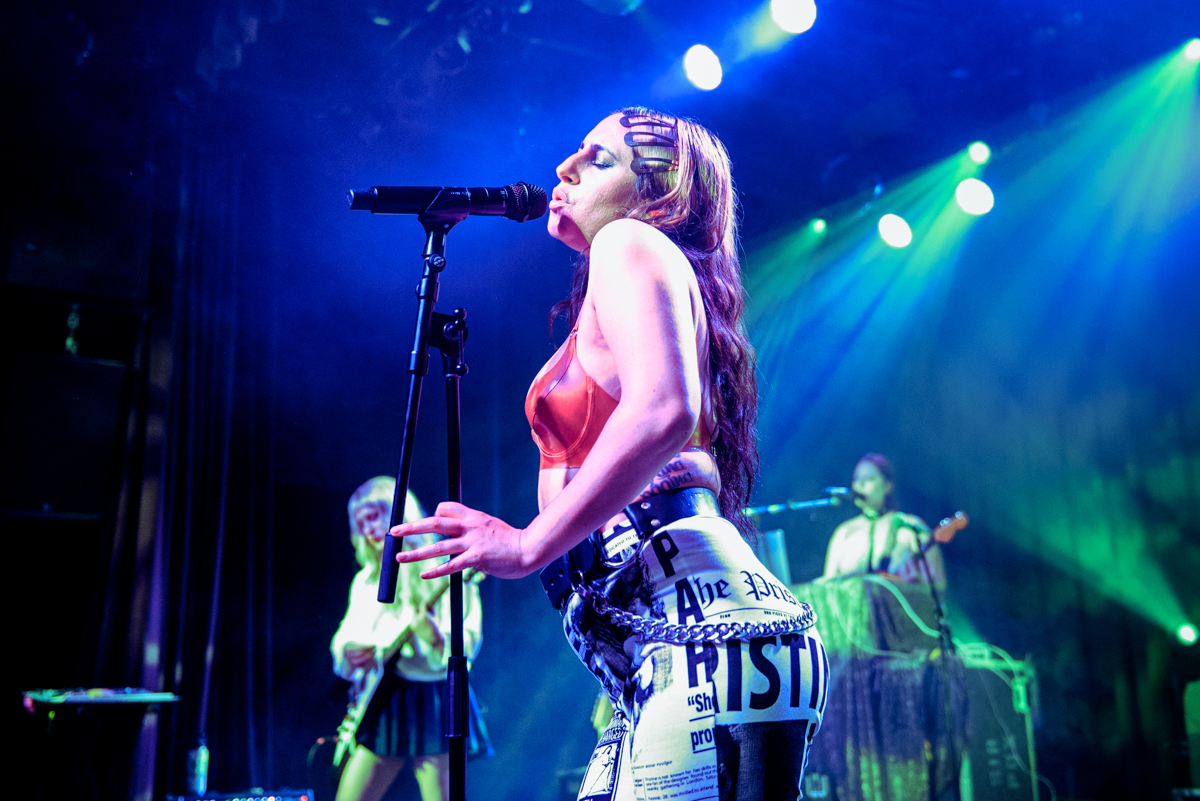
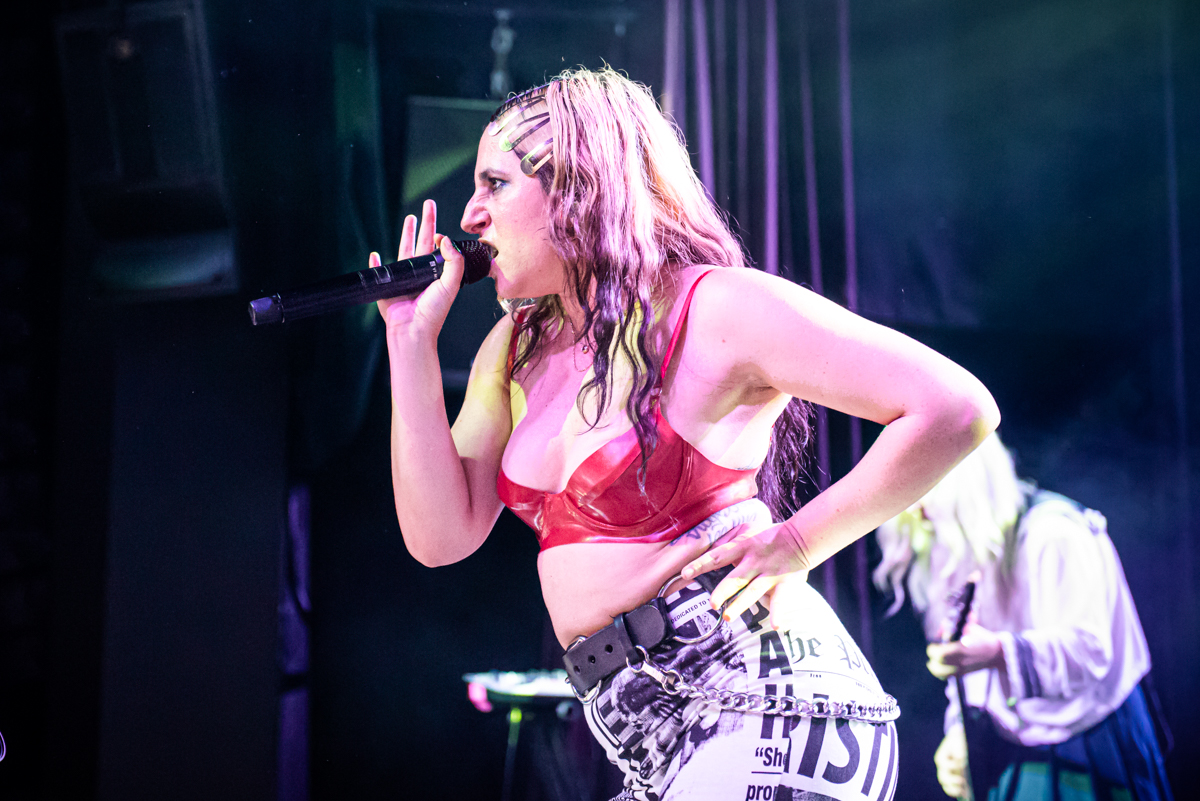
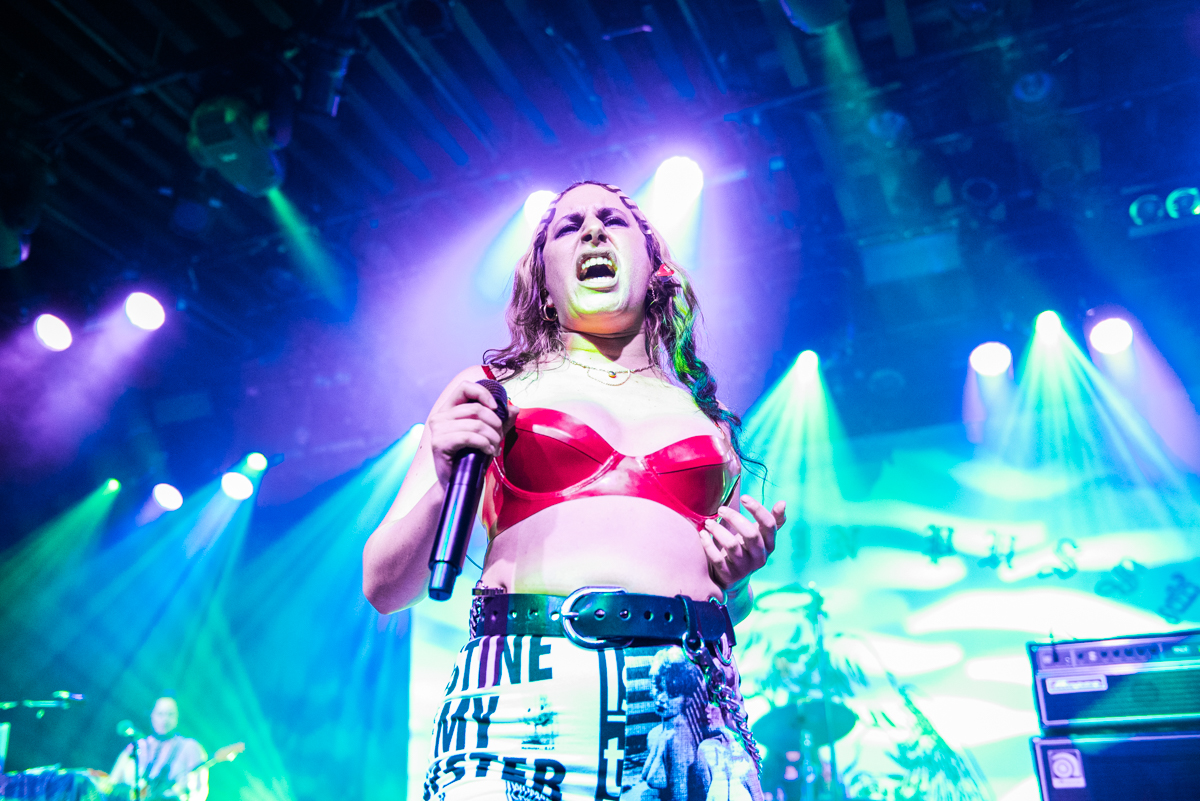
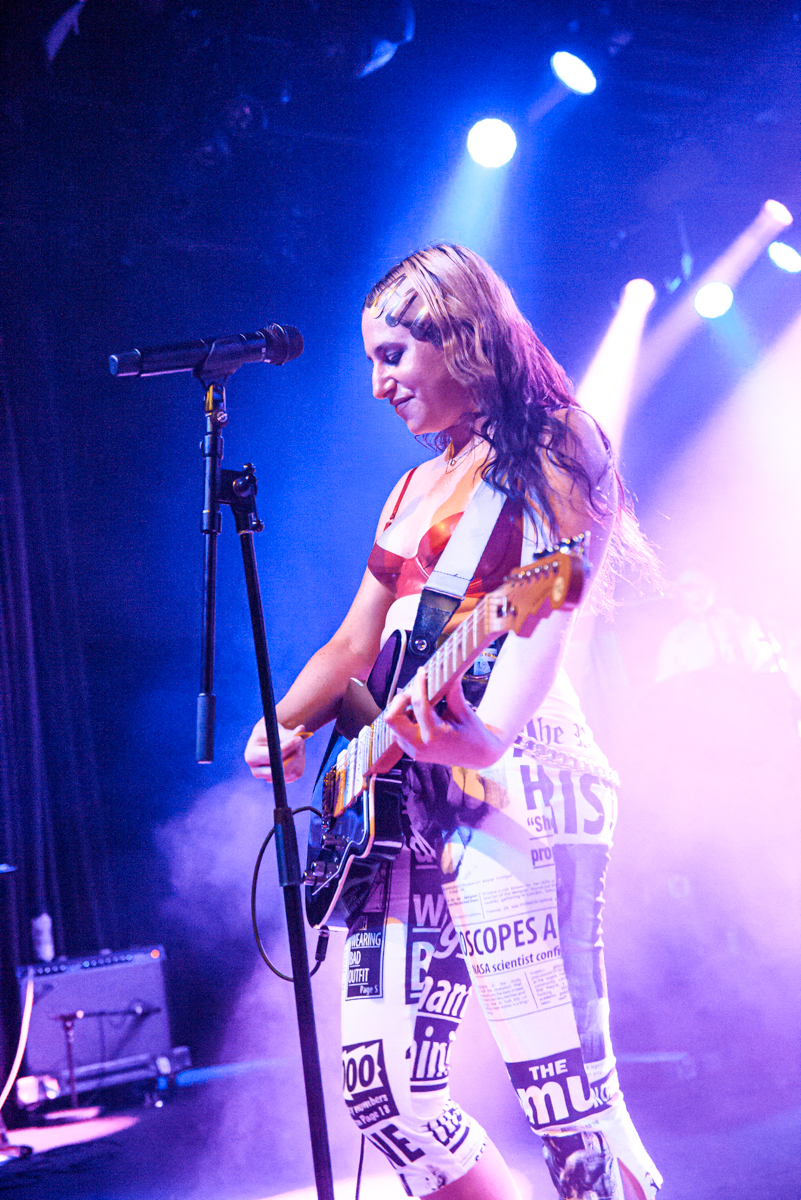
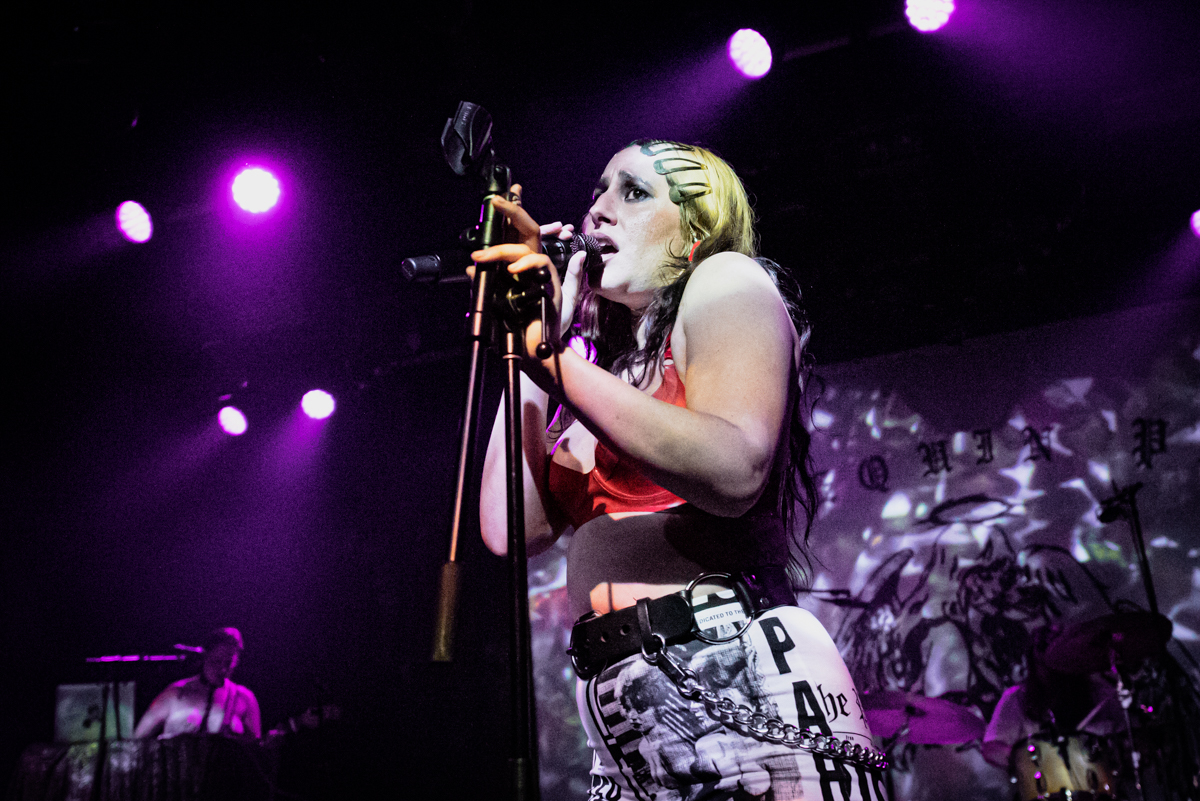
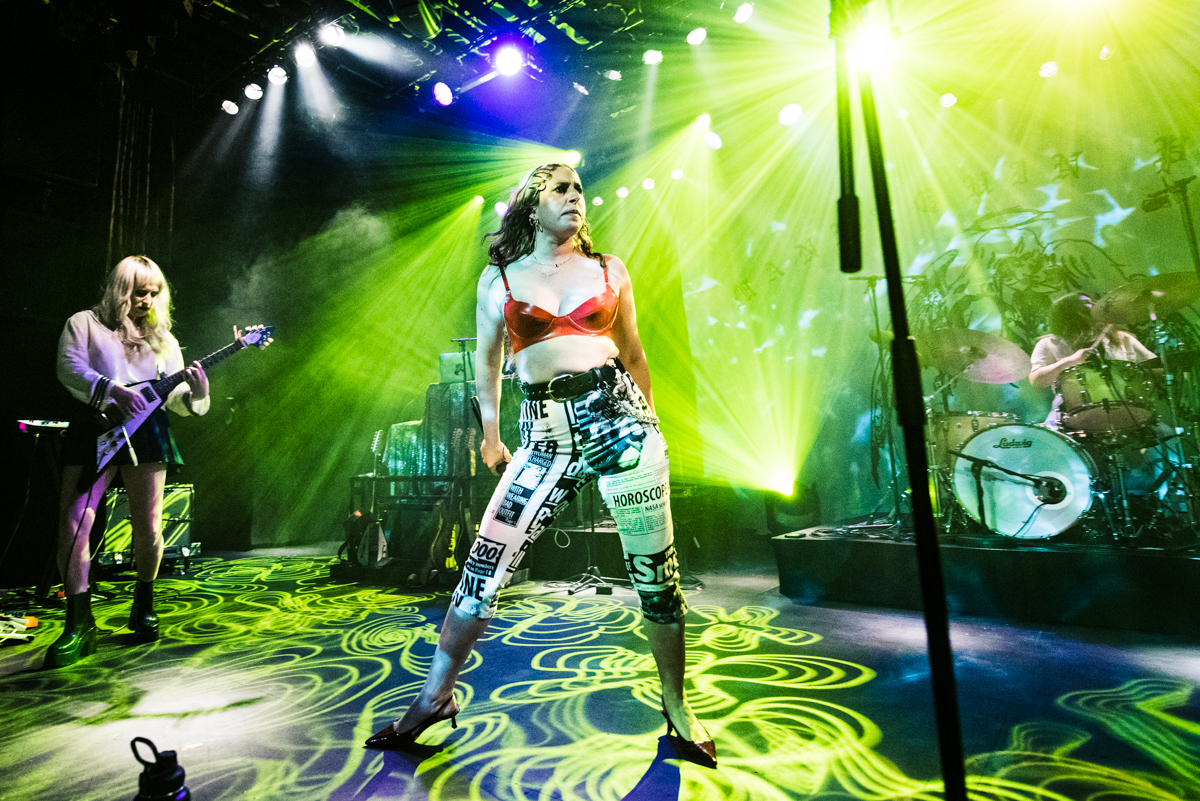
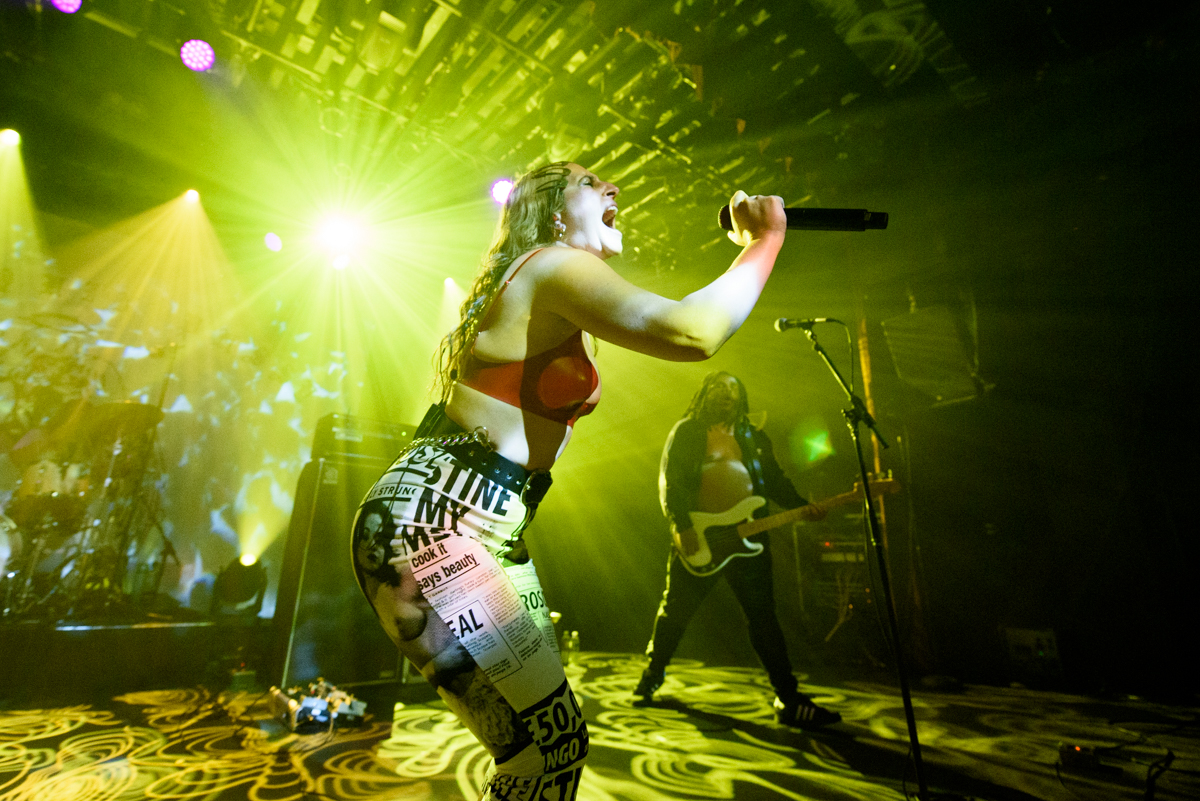
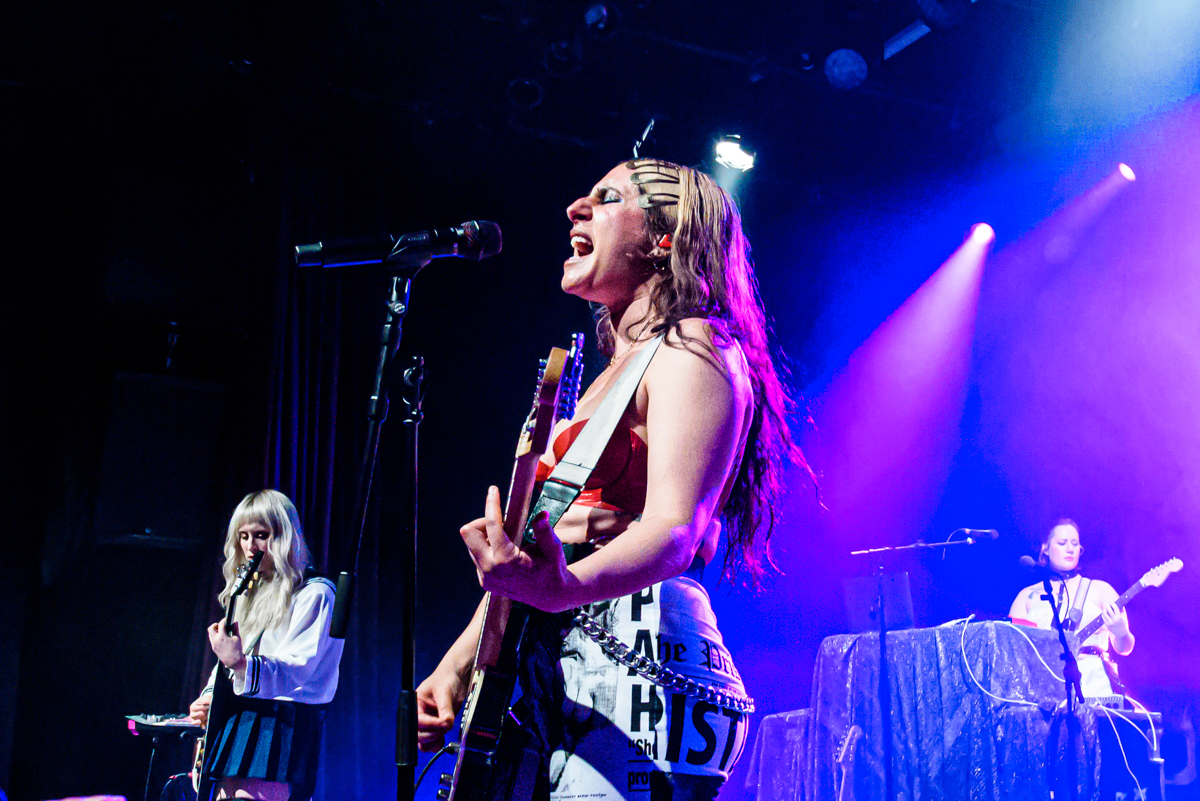
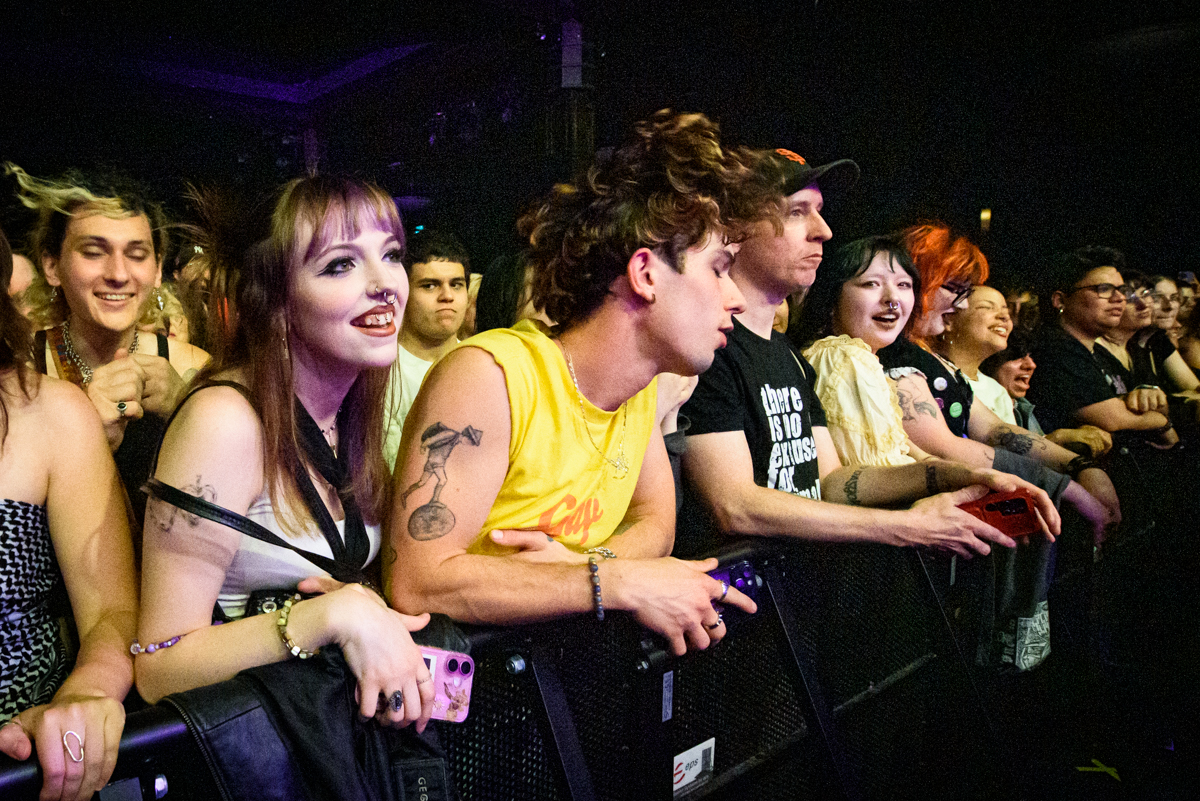
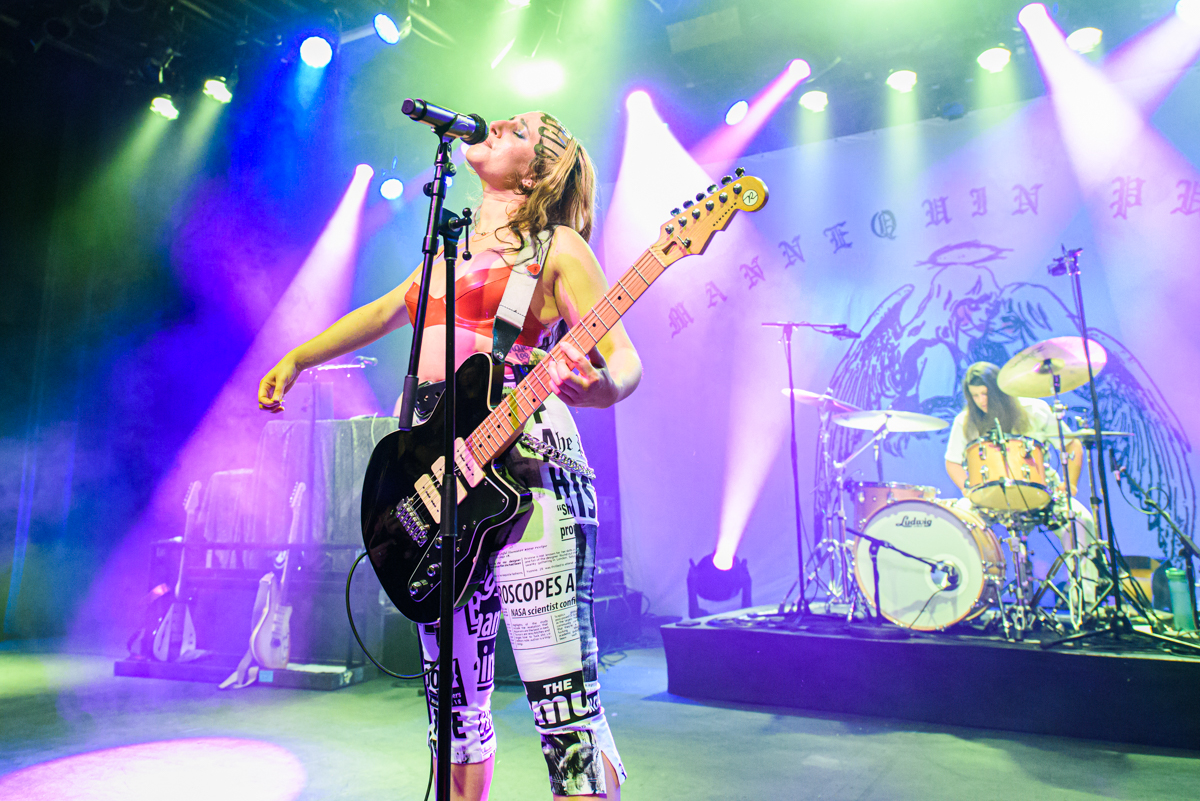
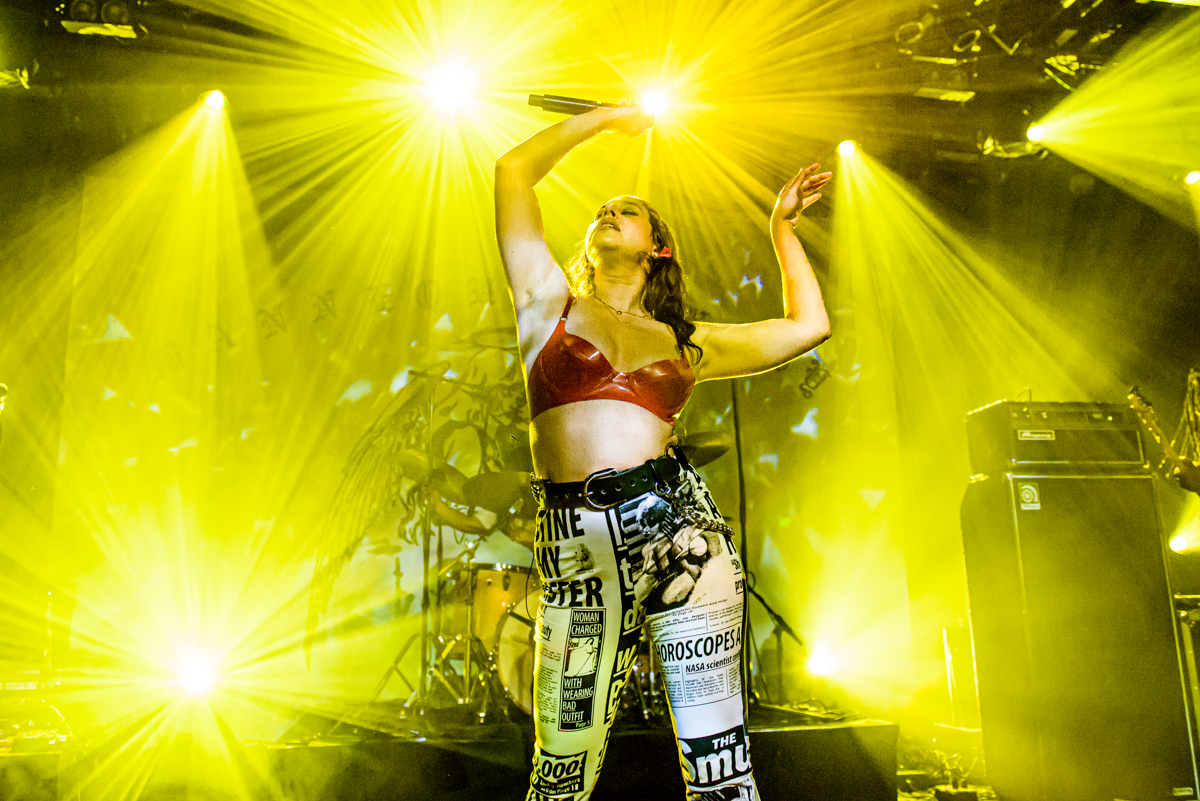
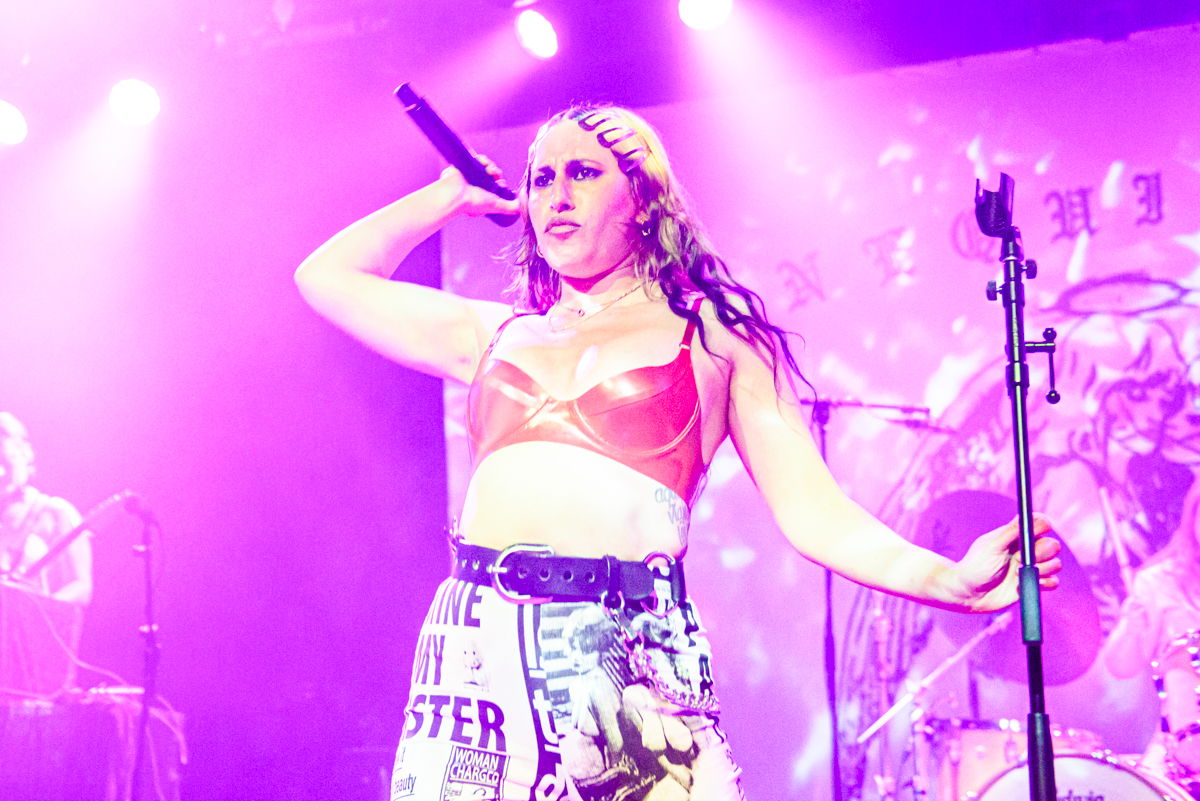
Photos by Sharon Steele – If there’s one band redefining what modern punk can sound like—raw, tender, furious, and deeply human—it’s Mannequin Pussy. Formed in Philadelphia in 2010, the band began as a gritty duo and has since grown into a powerhouse four-piece, led by frontwoman Marisa “Missy” Dabice. Alongside Kaleen Reading (drums), Colins “Bear” Regisford (bass, vocals), and Maxine Steen (guitar), Mannequin Pussy has built a loyal following through relentless touring, emotionally honest lyrics, and genre-defying soundscapes.
Their early work, like 2014’s Gypsy Pervert, introduced listeners to a raw punk energy tinged with shoegaze textures and dissonant beauty. By the time Romantic dropped in 2016, the band had refined their fury into something sharper, more deliberate—20 minutes of sonic whiplash that still left room for softness.
But it was 2019’s Patience that put Mannequin Pussy firmly on the map. Released through Epitaph Records, the album merged hardcore aggression with vulnerable, deeply personal songwriting. It was cathartic, intense, and critically acclaimed. The follow-up Perfect (2021) built on that momentum, pushing the boundaries between riotous noise and melodic clarity.
In 2024, Mannequin Pussy returned with I Got Heaven, arguably their boldest and most diverse album yet. Produced by John Congleton, the record explores the complexities of self-worth, desire, queerness, and survival—wrapped in blistering riffs and hauntingly tender ballads. It’s punk, it’s pop, it’s noise, it’s beauty. And above all, it’s unapologetically them.
Beyond the music, Mannequin Pussy has been outspoken about industry hypocrisy and censorship. In early 2024, TikTok temporarily banned their band name, sparking a conversation about misogyny and censorship in digital spaces. Rather than back down, the band doubled down—transforming the controversy into a moment of artistic defiance.
Now more than a decade into their career, Mannequin Pussy isn’t just a band to watch—they’re a band to believe in. Fierce, feminist, and constantly evolving, they continue to challenge what it means to be punk in a world that often asks women and queer artists to shrink themselves.
And they have no intention of shrinking.