Formed in Falun, Sweden, in 1999, Sabaton has built a global power metal empire on high-octane riffage, cinematic orchestration, and a steadfast dedication to military history. Led by charismatic frontman Joakim Brodén and bassist Pär Sundström, the band has spent over two decades crafting bombastic anthems that bring historic battles, war heroes, and pivotal moments of human conflict to vivid life. Known for their electrifying, theatrical live shows complete with military garb and tank-shaped drum risers, Sabaton has transcended traditional metal subgenres, earning a massively loyal international fanbase, millions of album sales, and headline status at major music festivals worldwide.
In 2026, Sabaton continues their relentless momentum off the back of their studio album, Legends, taking their signature storytelling into new historical territory. Shifted from their usual focus on modern 20th-century warfare, their latest era explores medieval history, knights, and ancient empires through tracks like “Templars,” “Crossing the Rubicon,” and “Hordes of Khan”. Bringing this grand vision to stages across the globe, the band spearheaded their massive “Legends on Tour” campaign in 2026, launching a major North American leg alongside special guests Pop Evil and Wings of Steel. Whether delivering thunderous arena shows in the United States and Canada or teasing future European ventures, Sabaton remains at the absolute peak of their powers, proving that heavy metal and history remain a triumphant combination.
You’re kicking off a 10-date tour across Canada this September starting in Halifax. What makes Canadian metal audiences unique, and how are you preparing to bring your legendary live show back to the country?
I think that wherever we go, we’ll have a great crowd and a strong connection with the Canadian fans. We’re really looking forward to doing a full run this time, rather than just visiting one city. We’ve also had to think a lot about how to scale the production for the Legends tour to fit the venues on the Canadian run. I’m happy with what we’ve got planned and I’m positive that people are going to enjoy it!
Your 11th studio album, Legends, released via Better Noise Music, is described as a bold new chapter for the band. How has Sabaton’s sound evolved on this record while still maintaining your trademark historical storytelling and heavy riffs?
I think as a band, we’ve always maintained our true sound identity. We found our sound quite quickly with our first records, and Sabaton’s sound isn’t something that is trendy or follows any particular pattern. We realised with the Primo Victoria album that it was timeless. We never strive to completely change the style of the band. We simply evolve in small steps, but the pure core of the music is always there.

Across the 11 tracks on Legends, you dive into the lives of iconic warriors, leaders, and strategists. How do you decide which historical figures make the cut for an album, and was there a specific figure on Legends whose story you were particularly eager to tell?
I think it was pretty intuitive finding the stories for Legends because there is a lot to dig into. But the story also needs to fit the music, and that is always the tricky part. For example, we would have loved to write a song about Alexander the Great, but there was no song that really fit that story. On Legends, I think my favourite story is probably Napoleon.
With over 25 years as a band, you’ve built a massive global legacy with over 7 billion streams worldwide. Looking back on your journey since your 2005 debut, what has been the secret to keeping the band’s energy and chemistry so strong?
I think we have always done everything our way. We don’t have external management. We have always owned the rights to our music, handled our merchandise and our social media strategy, and stayed very close to the fans. I think that is a key part of it. Sabaton is a very self-made band. We didn’t really listen too much to others; we did it our way, and I think that is one part of the key to our success.
Canada alone accounts for more than 200 million of your career streams. Did you expect such a deep and lasting connection with Canadian fans when you first started touring internationally?
Not in the beginning, because we first focused on the countries around us. Sabaton’s priorities in the early days were Sweden and Germany, and eventually it grew to the rest of the world. It took us quite some time before we were able to go over to Canada and play.
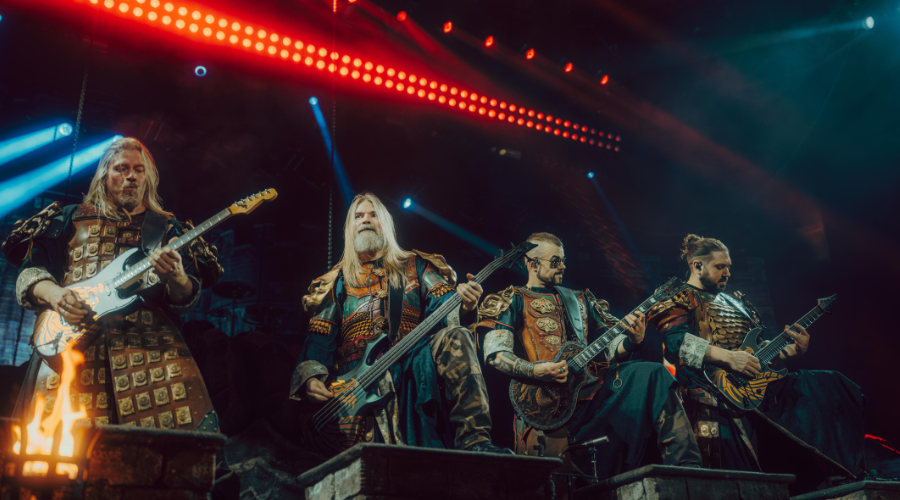
Sabaton is renowned for creating immersive fan experiences like Sabaton Open Air and the Sabaton Cruise. How do you translate that same epic, community-driven festival energy into arena and theater dates on a headlining tour?
I think every experience is unique. Not everybody likes festivals, not everybody likes the cruise. Some people prefer a concert in an arena and some prefer an intimate club. We fit in everywhere and we are able to adapt. We’re a very dynamic band. In some places the band is more popular than in others, so we always have to adjust to the circumstances of each show. So far, that has never been a problem for the fans.
Over the years, you’ve shared stages with an eclectic range of major acts, from Babymetal to Epica. How do these diverse touring lineups shape the atmosphere of a Sabaton show?
The music of Sabaton reaches beyond what is traditionally known as power metal. We have searched for and built our audience from all corners of the heavy metal universe and beyond. A lot of the band’s fans also come from historical communities and from the computer gaming world, where the band has a huge crossover. Sabaton has reached into various corners of popular media, and today our fans are very diverse in both age and culture.
With multiple Gold and Platinum certifications and Top 10 albums under your belt, what goals or uncharted historical territories are still on Sabaton’s bucket list as you head into this next era?
I think the main thing on the bucket list is simply to continue having fun and to continue playing. Yesterday I went to see Iron Maiden, and my goal is to still have that kind of energy when I reach their age. I am to continue playing and having as much fun as we are having today!
Interview with Pär Sundström